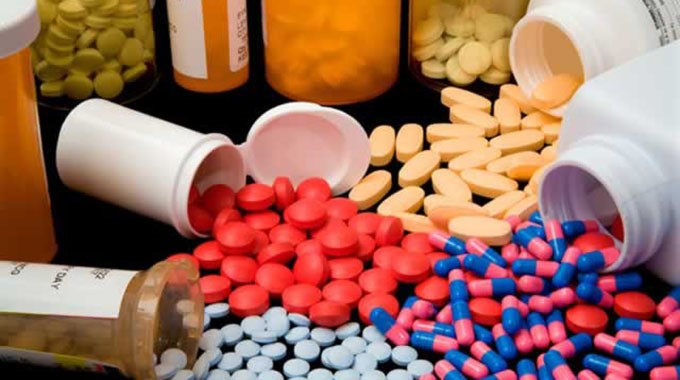

When one has malaria-related symptoms, they are likely to rush into a chemist and get the right antibiotics in order to treat it before a necessity to visit hospitals. One may get the medicine and it may fail to treat the symptoms and in some instances accelerate the illness. This may be attributed to the counterfeit medicines making their way into Kenya and Africa as a whole. This slows the achievement of sustainable development goals in the health sector.
As most people tend to curb the unemployment rate, they venture into easy money making ways. This has led to an increase in quack clinics and briefcase pharmacies and chemists. Most of these clinics and pharmacies operate illegally in Kenya’s private sector making it hard to ascertain the standard and non-standard. Selling of counterfeit medicine by these clinics has been a problem for most governments in Africa. This has raised concerns by experts in the health sector as thousands of people die as a result of consuming these non-standard drugs.
The counterfeit drugs are said to have the wrong ingredient sizes and at times no ingredients at all related to treating the disease they are intended to. This poses danger to individuals and at times can cause deaths of patients.
Kenya malaria indicator survey conducted a survey in 2015 that indicated that about twenty-five percent of children attend private health care facilities in relation to malaria treatment. These children are most threatened by the ailment due to weak immune systems. In urban areas, the figure was shown to be at forty percent. The issuance of malaria medicines such as artemisinin combination therapies (ACTs) is said to exist in a large number in private sectors. These medicines lack international and local approval.

 Figure 2image source: capitalfm.co.ke