

The psychological effects of casinos on human behavior
The Allure of Gambling
The psychological appeal of casinos is deeply intertwined with the thrill of risk and reward. Casinos are designed to create an environment that stimulates excitement, triggering the release of dopamine, a neurotransmitter linked to pleasure and reward. This response can lead to a cycle where players feel compelled to return, seeking that exhilarating rush again. For many, the anticipation of winning can be as enjoyable as the win itself, creating a powerful allure that draws people into casinos time and time again. Among the many options available, one can explore lizaro casino, which offers a unique gaming experience.
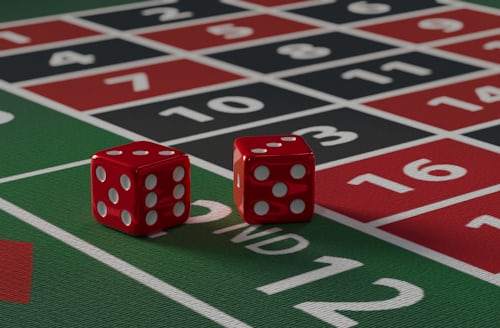
Moreover, the sensory stimulation found in casinos—bright lights, enticing sounds, and vibrant colors—enhances this effect. The design is intentional, aiming to immerse visitors in a world that distracts from everyday concerns and problems. This immersive experience can lead to a temporary escape from reality, which many find comforting and exhilarating. The psychological aspect of this is significant; people often underestimate how much external stimuli can influence their behavior and decision-making in such environments.
However, this heightened excitement can also lead to negative consequences. Some individuals may develop a gambling addiction as a result of these stimulating environments. The rush of winning can overshadow rational thinking, prompting players to make decisions that are not aligned with their financial wellbeing. Understanding this psychological draw is crucial in recognizing how casinos can affect behavior in both positive and negative ways, emphasizing the need for awareness and responsible gambling practices.
The Role of Cognitive Biases
Cognitive biases play a significant role in how individuals perceive gambling outcomes. One common bias is the “gambler’s fallacy,” where individuals believe that past events influence future outcomes in random situations. For example, a player may think that if a slot machine hasn’t paid out in a while, it is “due” for a win, which can lead to increased betting and irrational decisions. This skewed thinking often causes people to underestimate the random nature of gambling.
Another cognitive bias prevalent in gambling is the illusion of control. Many players believe they can influence the outcome of games of chance through skill or strategy, leading to overconfidence in their abilities. This misconception can encourage prolonged gambling sessions and larger bets, as players feel empowered to change their fortunes. By understanding these biases, players can become more aware of their decision-making processes and mitigate the risks associated with gambling.
Additionally, the framing effect plays a significant role in how outcomes are perceived. Players may react differently to potential losses or gains based solely on how options are presented. For instance, a gamble framed as a “potential win” can provoke different emotional responses than one framed as a “potential loss.” Awareness of these biases can help individuals navigate the psychological landscape of casinos more effectively, potentially reducing the likelihood of harmful gambling behaviors.
The Impact of Social Interaction
Social interaction within casinos can amplify the psychological effects of gambling. Many people enjoy the camaraderie that comes from playing games with friends or other patrons, which can enhance the overall experience. This social element can create a sense of belonging and community, making it more difficult for individuals to recognize when their gambling behavior may be becoming problematic.
Moreover, peer pressure can play a substantial role in gambling behavior. Individuals may feel compelled to participate in activities to fit in with their social group, often overlooking their own limits. This phenomenon can lead to increased spending and risky behavior as players seek to maintain social approval. The shared experience of gambling can make it easier for individuals to overlook the potential downsides, leading to a cycle where social enjoyment perpetuates gambling habits.
However, social interaction can also serve as a protective factor. Supportive friends and family can help individuals recognize when they may be gambling too much and encourage healthier behaviors. Community-focused initiatives in casinos that promote responsible gambling can also help mitigate some of the social pressures associated with casino environments, fostering a more balanced approach to gaming.
The Long-Term Psychological Effects
Over time, the psychological effects of frequent casino visits can lead to serious long-term issues. For individuals who develop gambling addiction, the consequences can be severe, affecting mental health, relationships, and financial stability. Many gamblers report feelings of anxiety, depression, and guilt as a result of their behavior, and these psychological scars can linger long after the gambling stops.
Research has shown that individuals with gambling problems often exhibit elevated levels of stress and feelings of isolation. The financial losses incurred from gambling can lead to a downward spiral where individuals feel compelled to gamble even more in an attempt to recover losses. This vicious cycle reinforces harmful behaviors and further entrenches individuals in a pattern that is difficult to escape.
Conversely, individuals who practice responsible gambling can experience positive psychological benefits, including improved social connections and a sense of achievement. Finding a healthy balance can mitigate many of the adverse effects associated with casino environments. It is essential for players to engage in self-reflection and set limits to maintain a healthy relationship with gambling, ensuring that the experience remains enjoyable rather than detrimental.
Exploring Lizaro Casino’s Approach
Lizaro Casino exemplifies a platform that emphasizes user experience while recognizing the psychological aspects of gambling. With its extensive selection of over 10,000 games, the casino creates an engaging environment that prioritizes player enjoyment and satisfaction. Their focus on user-friendly design and fast transactions enhances the overall experience, making it accessible for a variety of players.
Moreover, Lizaro Casino offers resources for responsible gambling, including support and guidance for players who may struggle with their gambling behavior. They recognize the importance of promoting a safe gaming environment where players can enjoy themselves without the adverse effects of addiction. By providing educational materials and tools for managing gaming habits, Lizaro Casino aims to mitigate the psychological risks associated with gambling.
Additionally, the casino’s commitment to 24/7 customer support ensures that players have access to assistance whenever needed. This level of support fosters a sense of security and comfort, allowing players to enjoy their gaming experience while being mindful of their limits. With its focus on both entertainment and safety, Lizaro Casino stands out as a model in the gaming industry, addressing the psychological effects of casinos on human behavior while prioritizing player wellbeing.